February 6, 2026
How Revenue Cycle Management Transforms Behavioral Health Practices
Why revenue cycle management is more than billing—and how it creates stability for behavioral health organizations.
By Addiction Billing Service Team
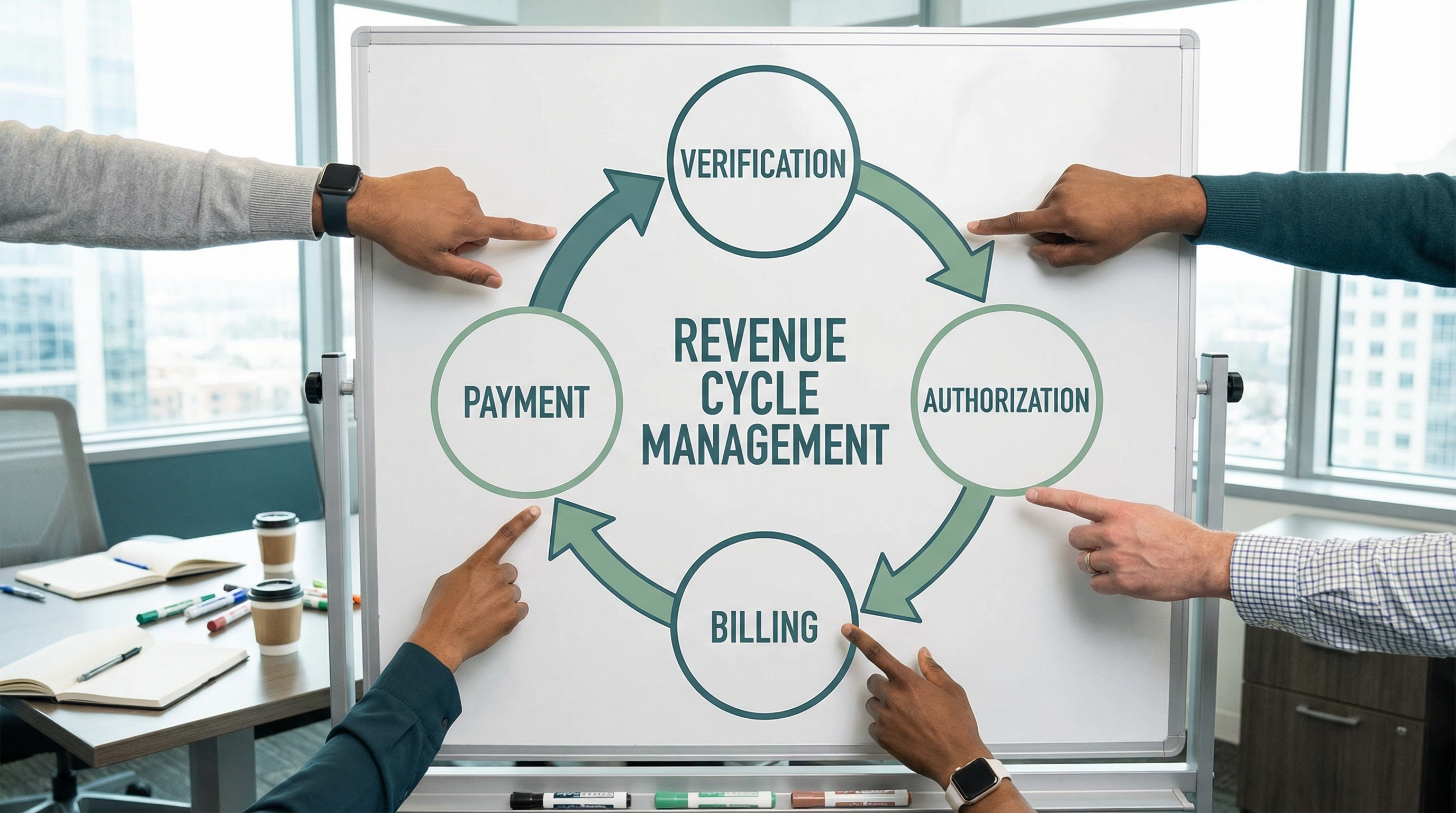
Revenue cycle management (RCM) is often described as billing, but for behavioral health organizations, it is much more. RCM connects clinical documentation, authorizations, claims, and leadership reporting into one coordinated system.
When RCM is managed intentionally, behavioral health practices gain clarity, predictability, and the ability to invest in care.
1. RCM creates a single source of truth
Behavioral health organizations often manage intake, clinical documentation, and billing across different systems. RCM aligns those workflows so leadership knows what is happening in real time.
Key benefits include:
- Clear reporting across admissions, billing, and collections
- Fewer handoff errors between clinical and revenue teams
- Consistent accountability for follow-up work
2. RCM reduces denials through proactive coordination
Denials often trace back to authorization issues, documentation gaps, or credentialing misalignment. A structured RCM workflow catches these issues early.
RCM teams can:
- Track authorization status across levels of care
- Flag documentation needs before claims are submitted
- Ensure providers are credentialed before services begin
3. RCM protects cash flow
Behavioral health programs depend on steady cash flow to maintain staffing and services. When revenue cycle workflows are inconsistent, collections become unpredictable.
With RCM oversight, organizations gain:
- Cleaner claims submitted on time
- Faster payment posting and reconciliation
- Clearer visibility into aging and payer responsiveness
4. RCM supports leadership decisions
RCM provides leadership with reporting that goes beyond claims. It surfaces operational bottlenecks and financial risk early enough to act.
Common reporting areas include:
- Authorization status trends
- Denial root causes
- Revenue by level of care
- Cash flow timing patterns
Final takeaway
Behavioral health RCM is about coordination, not just billing tasks. When admissions, clinical, and billing workflows are aligned, revenue becomes more predictable—and teams can focus on delivering care without constant financial uncertainty.